- My 5 classes meet Mondays - Thursdays
- Each class meets for 2 - 1.5 hour periods per week
- Lectures this long are exhausting and when there is no discussion it feels unbearable
- When we have both 1.5 hour periods back to back it is even more inhumane
- Despite the difficulties my body and brain are slowly adjusting to this new way of learning
Since there are no Engineering classes offered, I am taking classes that Hope, as a liberal arts school, requires for graduation.
Nations and the Crossroads: I kid you not, I am being taught Hungarian and Central European history by Jacques Clouseau's (French detective in movie The Pink Panther for those of you who don't know) doppelgänger. I am still confused as to how a Hungarian man speaking in English can sound French, but it may have more to do with his subtle twitches, stutter, inability to match the number of fingers he holds up to the number he is speaking about, consistent struggle with the projector screen or his very full, dark mustache (apparently it is the first facial hair he ever grew meaning he has never shaved his mustache in his life time). The class mostly focuses on the relationships between and the development of the Central European countries from World War I and after.
Literature and Culture of Hungary: Their "...and they lived until they died" is to our "...and they lived happily ever after." Death is a very prevalent theme in Hungarian literature. So far we have read short stories and articles originally written by Hungarian authors, which have since been translated into English. We discuss each piece in an tangible yet deeply analytical way. Our discussions seem to be too basic for many of my classmates, but for my mathematical, scientific and "sensing" (Myers-Briggs classification) brain it is the easiest way for me to grapple with the stories.
Hungarian Grammar: I would like to announce that despite my fears of which Hungarian class I was going to be placed in, I am at the Intermediate level. It is a two student class; Zsofia (a half-Hungarian girl who grew up speaking Hungarian at home with her mother) and I meet with, none other than, Professor Clouseau himself three times a week. We work on grammar, vocabulary, speaking, listening, writing and reading. Today we spent 45 minutes watching a video and talking about the 9 breeds of dogs that originated in Hungary:
*Disclaimer: All of these pictures were copied from the internet. I have never seen any of these dogs in person, nor been given the opportunity to take pictures of them.

Pumi:
Most of you know that I am not much of a dog person; however I have decided that if I was to ever get a dog it would be from this breed. How can you even resist those faces and large ears? Plus, they have a vertical jump of about 5 feet.


Komondor:
They are bred for guarding sheep and never shed. When I see videos or pictures of them running I actually cannot stop laughing.

Puli:
These dogs are almost the same as the Komondor, but they are much smaller. Pulis herd the dogs.
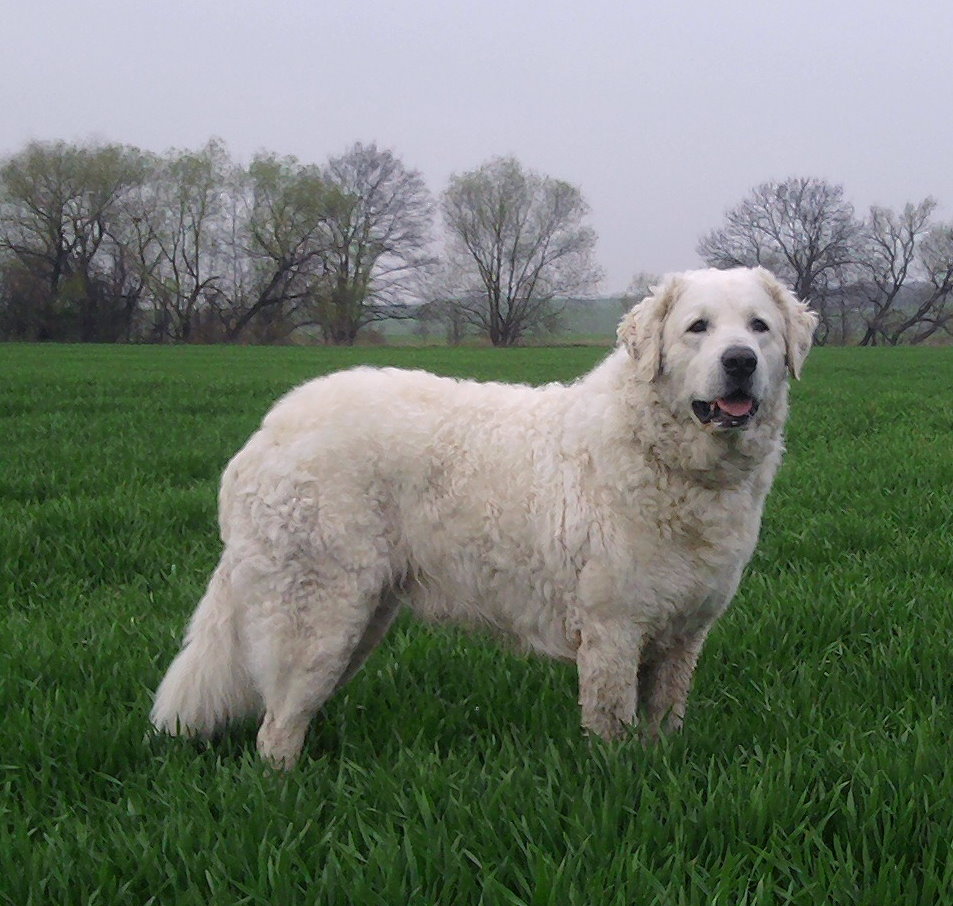

Kuvasz:
This is another breed of guard dog. Look how cute that puppy is.
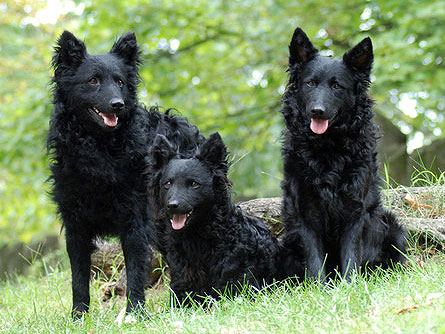
Mudi:
Munis are also herding dogs and have incredible agility. They love to please their owners through completing the tasks that they are given.


Vizsla:
This dog comes in two types wire-haired and smooth-coated. Very good for hunting.

Érdélyi Kopó:
These hound dogs are spectacular for tracking.

Magyar Agár (a type of Hungarian greyhound):
Historically they chased down rabbits in the fields, but today are used as race dogs.
Project Management: As excited as I was about the idea of this class, I have been disappointed by the dryness of the lessons. For the semester project a group of us decided to design an app that will help train and give commands to dogs through the use of high frequency tones (that only dogs can hear) emitted after speaking into the phone or pressing a button. These tones will give the dogs commands in how to behave.
Personality Traits and Team Dynamics: This is my favorite class of ALL TIME! It is taught by an American professor who moved to Hungary 10 years ago. His interactive and visual/hands on teaching style is a relief in this sea of lectures I currently live in. We have been delving deeply into the Myers-Briggs Test; and figuring out our true classifications through activities, discussions and hand-outs. The overarching project for this class is to help a professional team of 4-6 members in the community with their team dynamics using the Myers-Briggs test as a guide. My group has plans to work with a famous Hungarian band, I will let you know how this goes.
Unlike at Hope, I spend most of my time working on school work while in classes and doing very little homework outside of the classroom. I'm thinking transitioning back to Hope next semester might be a little tricky, but for now I like this set-up.
Love you all!
Until next time,
Emike

How is it that the sheep dog looks more like a sheep than a dog?
ReplyDeleteThe app will be hard for the professor to grade since he cannot actually hear the signals nor test the results... good thinking.